Your blog is a collection of random articles. Google sees it as scattered, unfocused content about everything. You rank for some topics, rank poorly for others, and never establish real authority in any area.
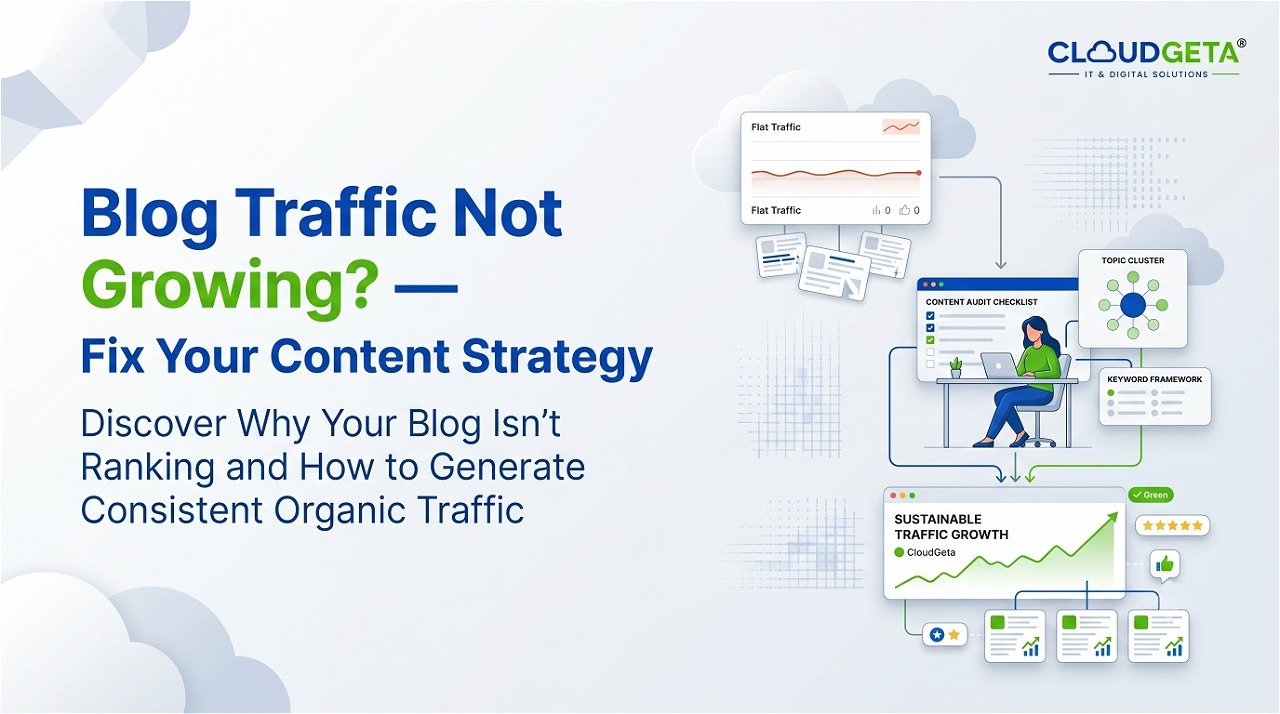
Enterprise blogs that dominate search use a different approach: topic clusters and pillar pages.
A pillar page is a comprehensive article about a broad topic. “Complete Guide to SEO” could be a pillar page. It covers SEO at a high level—what it is, why it matters, major categories.
Cluster content covers specific subtopics in detail. “On-Page SEO Optimization Guide,” “Technical SEO Checklist,” “Link Building Strategy,” and “Local SEO Tactics” are cluster articles. Each covers one subtopic deeply.
The pillar page links to all cluster articles. Cluster articles link back to the pillar. Google sees this connected structure and understands you have expertise across the entire topic area—not just random articles.
This structure signals authority. When someone searches for the broad topic (SEO), Google knows you have comprehensive coverage. When someone searches for a specific subtopic (on-page SEO), Google knows you have detailed expertise.
The result: higher rankings across the entire topic cluster, more authority signals, longer time on site as readers navigate between related articles, and organic traffic that compounds as more articles rank.
Implementation is straightforward: choose a broad topic you want to own. Write a comprehensive pillar page. Write 5-10 cluster articles covering subtopics. Build internal linking structure connecting them. Optimize each article for specific keywords.
At CloudGeta, we build topic cluster strategies that establish your brand as an authority in your space while systematically improving rankings across dozens of related keywords.