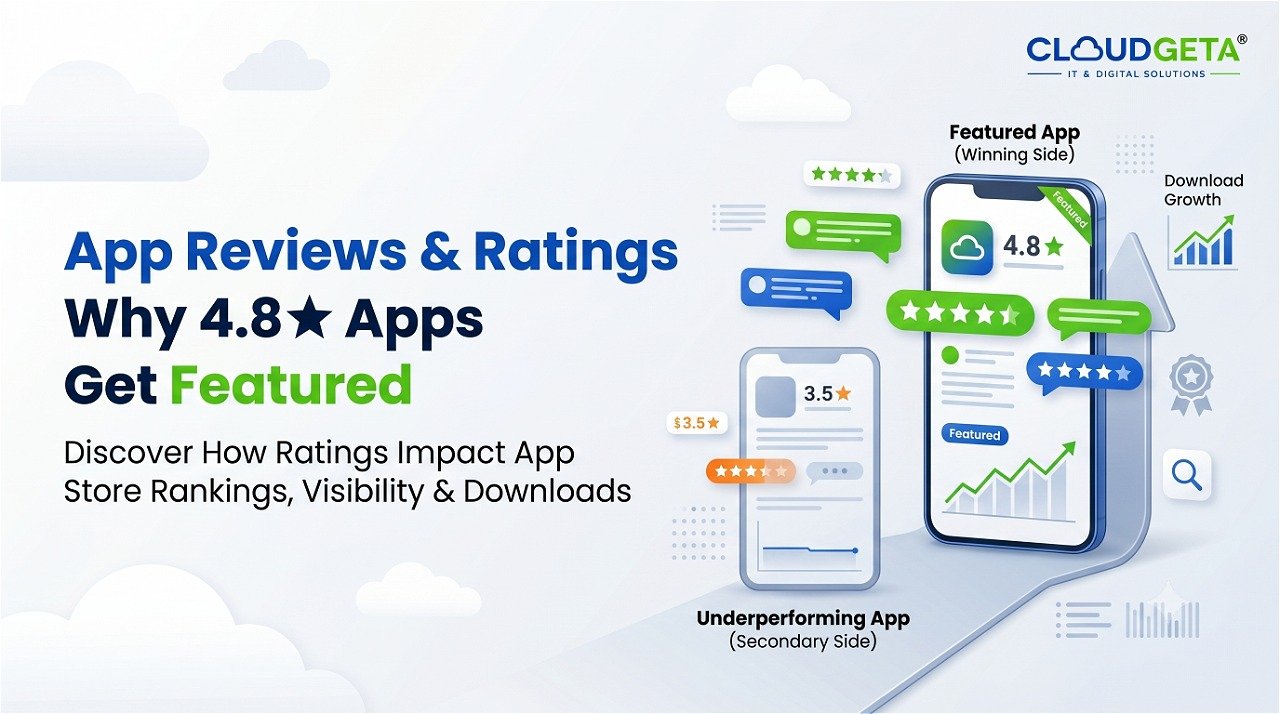
Your app has decent features. Users who stick with it actually like it. But your rating is 3.7 stars while competitors have 4.8 stars.
The difference is massive. High-rated apps get featured. High-rated apps get recommended. High-rated apps climb search results. Low-rated apps get buried regardless of other optimization efforts.
Ratings directly impact visibility in two ways. First, the algorithm prioritizes high-rated apps over low-rated apps in search results. Second, potential users see your rating before downloading. A 3.7-star app gets fewer downloads than a 4.8-star app, even at identical search position.
You cannot force good ratings. You can design your app so more users want to leave good reviews. You can prompt reviews at ideal moments when users are happy.
The ideal moment is right after a great experience—a successful transaction, a solved problem, a delight moment. In that moment, show a prompt asking for a review. Users who just had positive experiences are most likely to leave positive reviews.
Never prompt for reviews immediately. New users have not experienced value yet. Do not prompt in error states. Do not prompt during negative experiences. Timing is everything.
Respond professionally to every review—positive and negative. Thank people for positive reviews. Show appreciation. For negative reviews, acknowledge the issue, offer solutions, demonstrate customer care. Responses signal that you value customer feedback.
Identify patterns in negative reviews. Are people complaining about the same bug? The same feature? Fix these systemic issues. As bugs decrease and features improve, negative reviews naturally decrease.
One bad experience creates ten times more damage than one good experience creates benefit. Minimize bad experiences through quality control, thorough testing, and rapid bug fixes.
At CloudGeta, we develop app review strategies that systematically increase ratings while identifying and fixing quality issues that damage your rating.