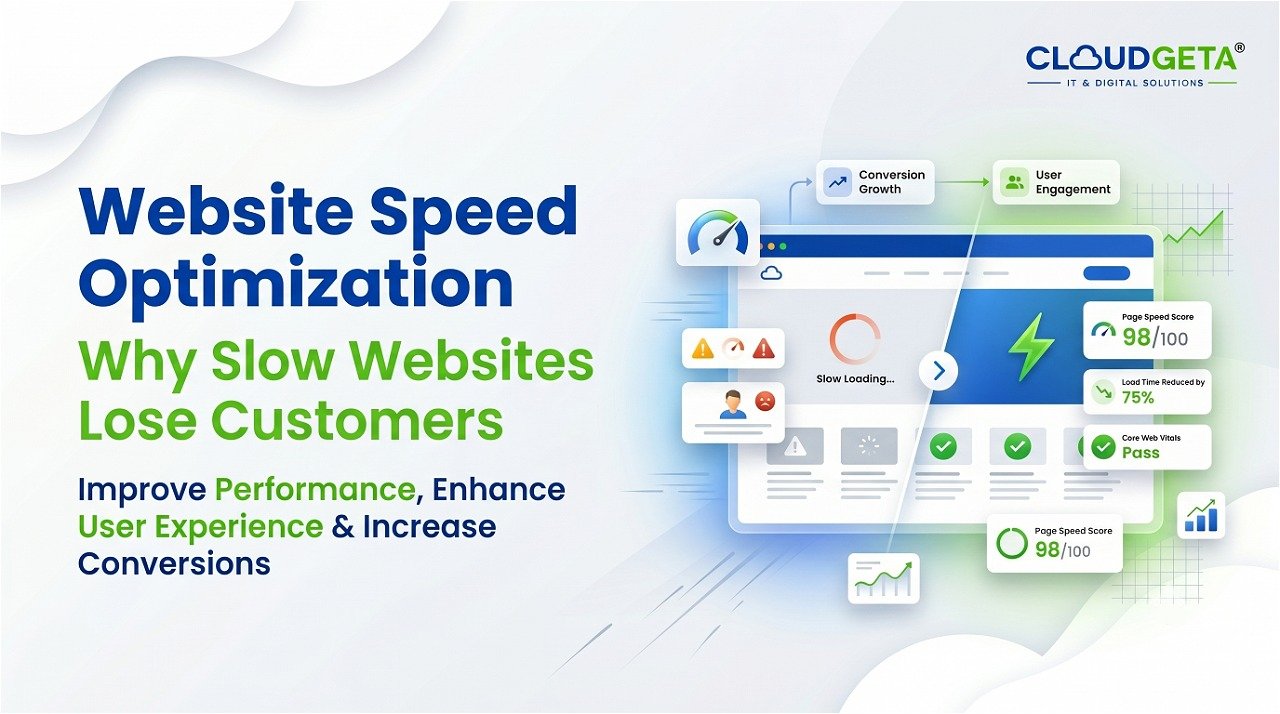
Your website loads fine on your internet connection. You never experience slowness. Your visitors are abandoning because it takes eight seconds to load.
Website speed directly impacts conversions. Every one-second delay reduces conversions by seven percent. A website that takes three seconds instead of one second loses twenty-one percent of conversions. Speed matters more than design.
Most websites are slow because of poor optimization. Uncompressed images use ten times more data than they need. Scripts load before necessary content. Bloated plugins add tons of code. These problems compound.
Start with images. Compress every image. Resize to the size displayed. Remove unnecessary images. Uncompressed images are the biggest culprit for slow websites.
Second: defer non-critical JavaScript. Your beautiful animated sidebar does not need to load before your main content. Load main content first. Load animations later. Visitors see content faster.
Third: minimize plugins. Every plugin adds code, adds requests, adds complexity. Evaluate what you really need. Remove unnecessary plugins. Fewer plugins = faster site.
Fourth: leverage caching. Caching lets browsers store files locally so pages load faster on repeat visits.
Fifth: use a content delivery network (CDN). CDNs store copies of your website on servers worldwide. Visitors get served from the closest server. Visitors in India get faster speeds than serving from US servers.
Sixth: optimize server response time. Sometimes slow sites are slow because servers are slow. Upgrade hosting. Reduce database queries. Optimize server configuration.
Tools like PageSpeed Insights and GTmetrix show you exactly what is slow and what needs fixing.
At CloudGeta, we audit website performance, identify speed bottlenecks, and implement optimizations that improve user experience and conversion rates.